Own Correspondent
Women make significant contributions to agricultural production and post-harvest activities in Bangladesh, but their access to wider markets remains limited, said Tasnuva Zaman, national gender specialist at the Food and Agriculture Organization (FAO) Bangladesh.
“Women are generally not allowed to go to markets to sell their products because selling is often considered a man’s responsibility. Although women can earn an income, they often do not have the authority to decide independently how that money is spent,” she said at a discussion yesterday.
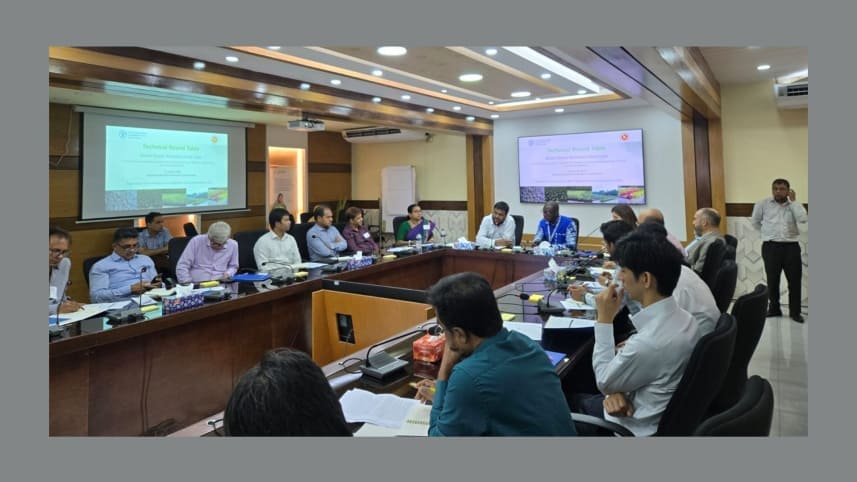
The discussion on Green Roots Women’s Farm Labs, organised by the FAO, was held at the Bangladesh Agricultural Research Council in Dhaka.
Tasnuva described a clear division of labour between women and men in the project areas. Women mainly prepare seeds, care for seedlings, plant, weed, harvest, process and store crops. They also raise poultry and livestock, including chickens, ducks, goats and cows, and are primarily responsible for agricultural production at home.
Men also take part in farming, but some tasks are considered specifically men’s responsibilities, she said. These include buying fertiliser, pesticides, seeds and agricultural equipment.
Men also maintain relationships with traders, negotiate with buyers and transport agricultural products to wholesale markets. “When larger investments are needed, men generally decide how much to invest and where to use the money,” she said.
MOBILITY, MARKET ACCESS REMAIN MAJOR BARRIERS
Tasnuva identified mobility as one of the two major barriers to women’s participation in business. “Social norms often prevent women from going to markets or communicating with male stakeholders or service providers outside their families,” she said.
As a result, women have limited opportunities to sell products directly and build independent sources of income.

- Md. Saiful Islam Journalisthttps://thebusinessin.com/author/saifuljournalist/

- Md. Saiful Islam Journalisthttps://thebusinessin.com/author/saifuljournalist/

- Md. Saiful Islam Journalisthttps://thebusinessin.com/author/saifuljournalist/
- Md. Saiful Islam Journalisthttps://thebusinessin.com/author/saifuljournalist/