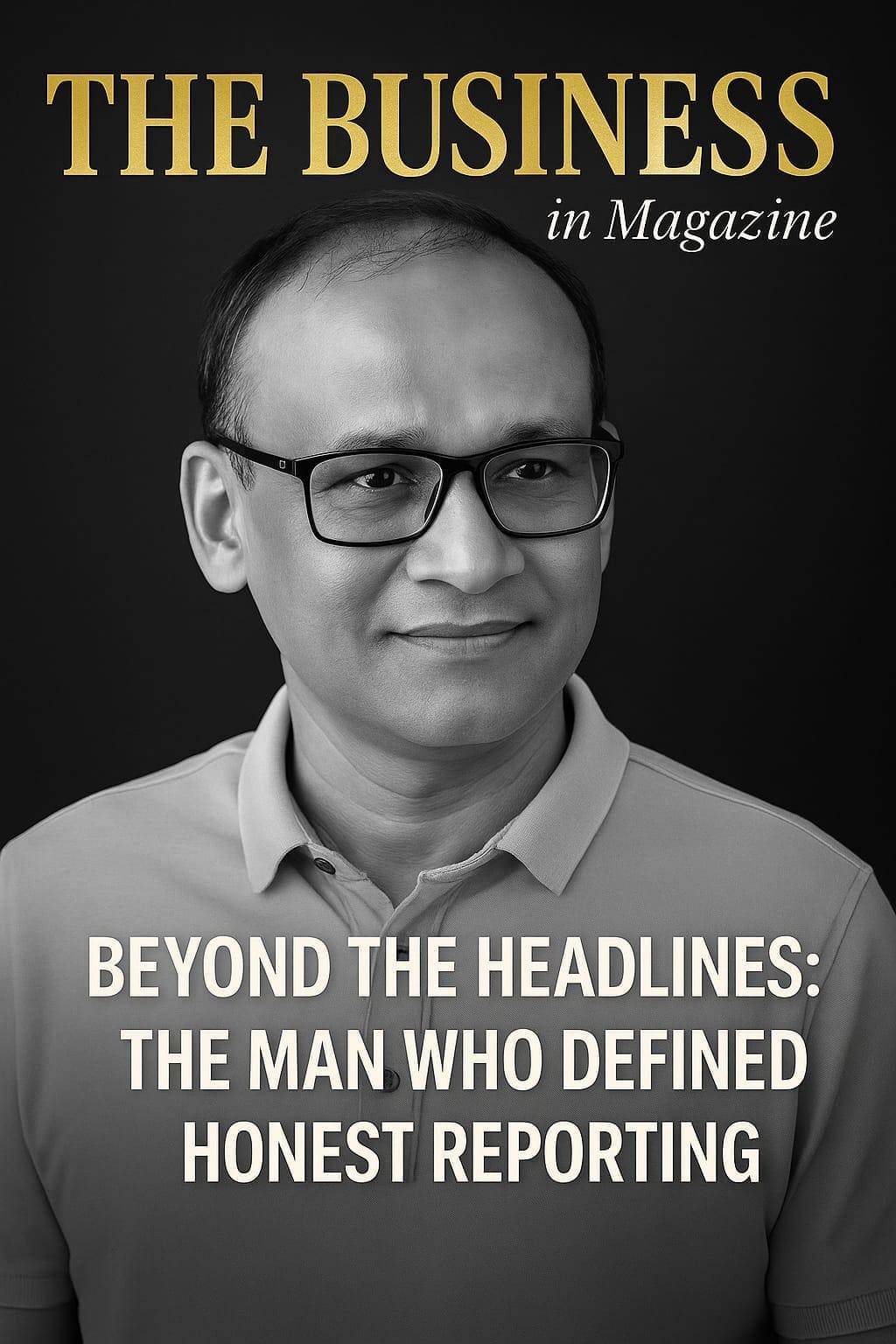
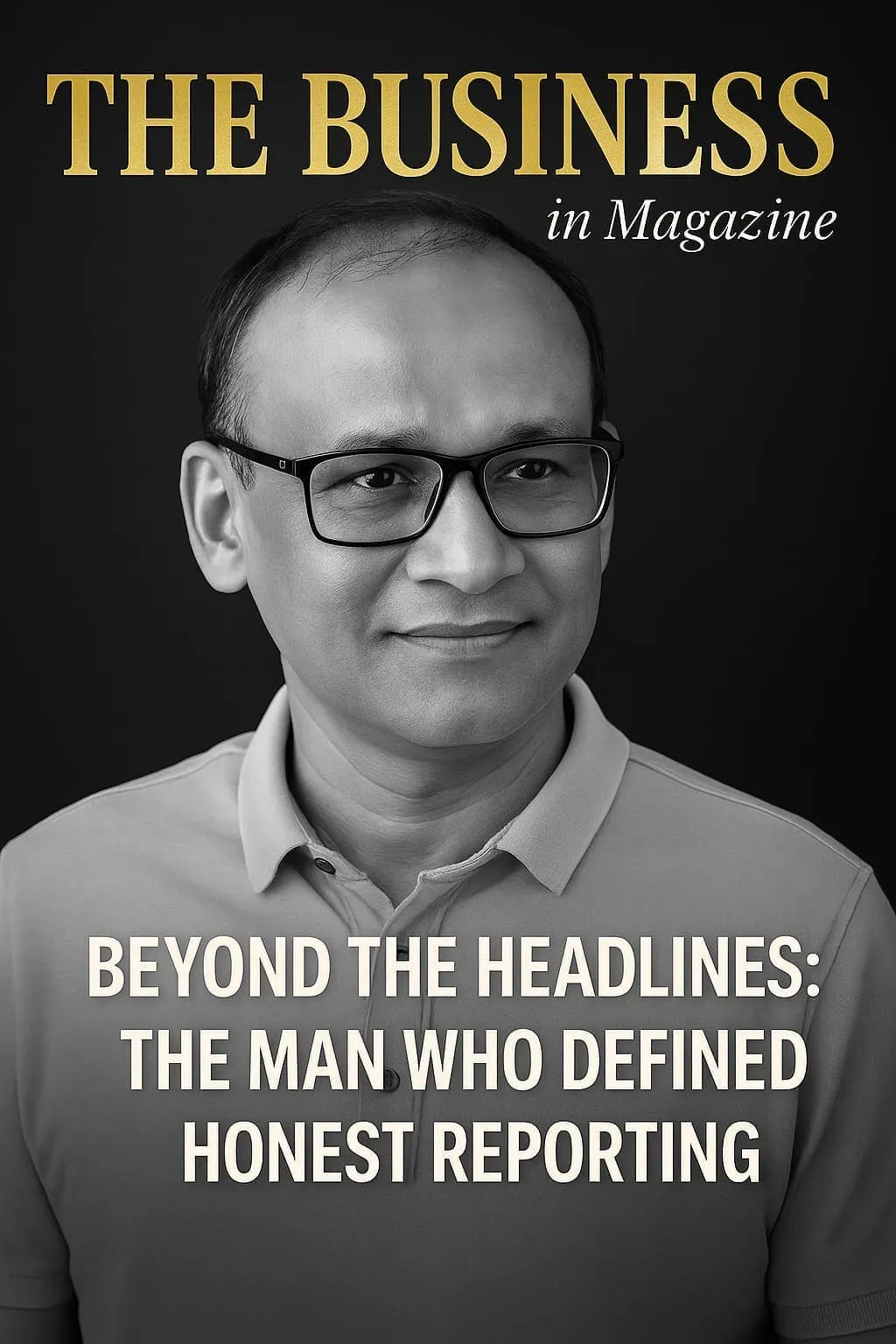
Ali Kadar Polash: Editor, Publisher & Distinguished Journalist | Pioneer of Regional Journalism in Bangladesh
With over four decades of unwavering commitment to journalism, Ali Kadar Polash has become one of the most respected names in Bangladesh’s media landscape. A visionary editor, publisher, and writer, his legacy is deeply intertwined with the evolution of regional journalism and the struggle for press freedom. Through his work, he has elevated the voices of local communities, expanded the reach of credible reporting, and inspired generations of journalists to pursue truth with courage and conscience.

Born and raised in Chuadanga, a district known for its rich cultural and political history, Polash’s early life was marked by a fascination with storytelling and a determination to challenge misinformation. His career began during a time when regional journalism was struggling to find a platform outside Dhaka-centric media. Recognizing that journalism must speak from every corner of the country, not just its capital, he dedicated himself to building independent news outlets that represented the people of southwestern Bangladesh.
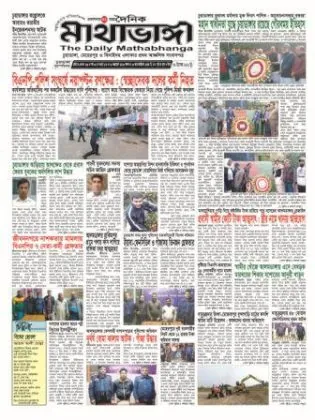 In 1991, Polash founded Dainik Mathabhanga, the first-ever daily newspaper of Chuadanga, a historic milestone that marked the dawn of professional journalism in the region. As Acting Editor, he cultivated a newsroom grounded in ethical reporting and fearless inquiry. His editorials on social justice, governance, and civic responsibility positioned Mathabhanga as a trusted regional voice and an influential force in shaping public discourse.
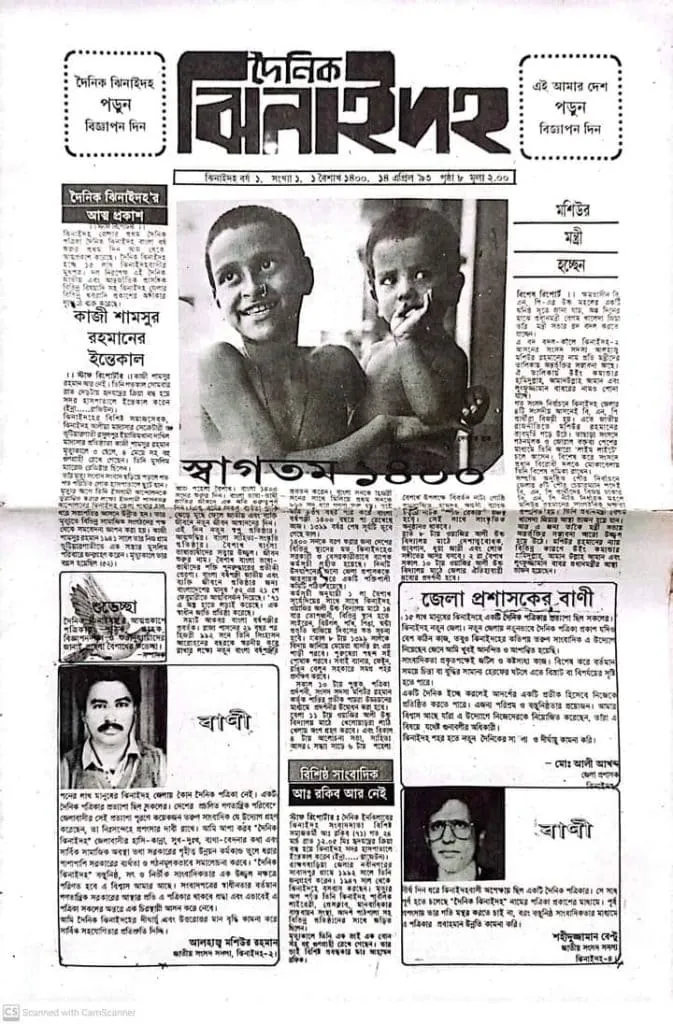 Continuing this mission, on the first day of the Bengali year 1400, he launched Dainik Jhenaidah, the first daily newspaper of Jhenaidah district. Serving as Founder, Editor, Publisher, and Owner, Polash led from both the editorial and managerial fronts—an uncommon balance that demanded not only creativity and conviction but also perseverance against financial and political pressures. Both newspapers became landmarks in Bangladesh’s journalistic development, symbolizing the emergence of regional journalism as a force of truth and accountability.
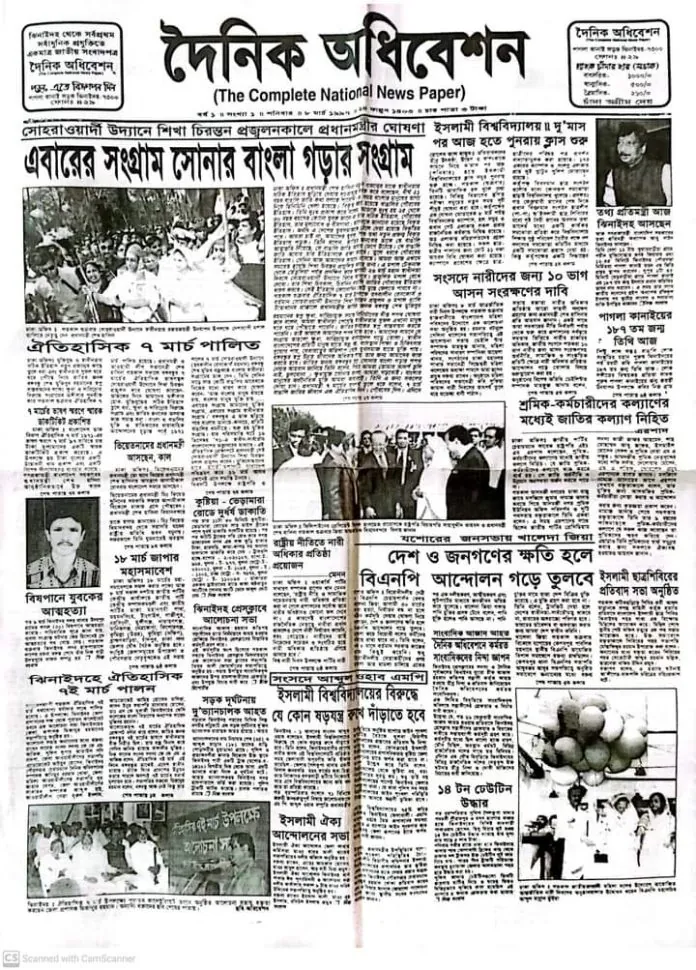 His third major venture, Dainik Adhibeshon, was a modern, fully computerized daily — a first for the greater Jessore region. It rapidly became the most widely circulated newspaper in the area, known for its accuracy, clean layout, and analytical coverage. However, in 2002, after publishing editorials critical of religious extremism and political hypocrisy, the government revoked the paper’s declaration. Polash was arrested under repressive laws, a moment that exposed the fragility of press freedom in the country. His imprisonment triggered widespread protests among journalists nationwide, transforming him into a symbol of resistance and courage in the face of censorship.
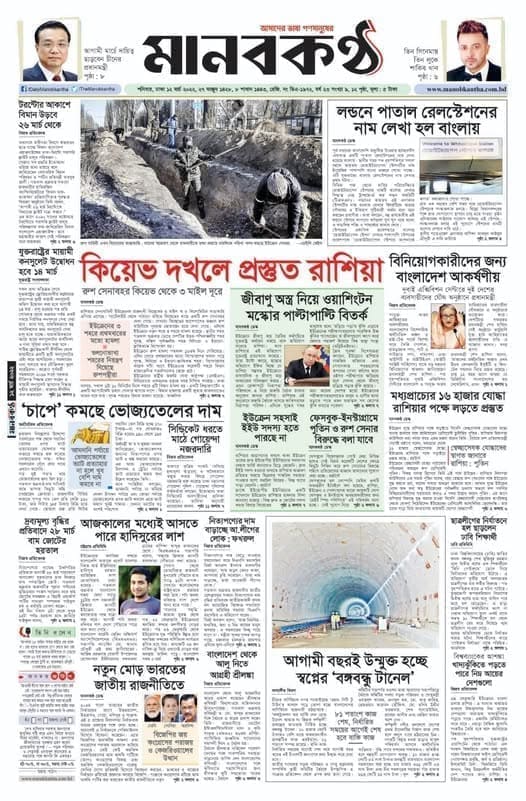 Beyond his regional contributions, Ali Kadar Polash has also played pivotal roles in national journalism. He has served as Executive Editor of Dainik Muktakantha and Chief Editor of Dainik Manabkantha, where he sharpened his editorial vision and mentored dozens of young journalists. His leadership in these national dailies helped bridge the gap between regional and central journalism, ensuring that the issues of local communities found space in the national narrative.
Polash’s profound influence has been documented in several scholarly and historical works, including Chuadangar Itihas O Oitijjo (edited by writer and researcher Rajib Ahmed), Chuadangar Kirti Shantan by Advocate Tasir-ul-Alam Malik Duke, and Chuadangar Gunijan by Principal Hamidul Haque Munshi. His pioneering efforts and journalistic contributions have also been highlighted in the Jhenaidah Municipality commemorative publication Alhaj Khairul Bashar, as well as in Jhenaidaher Sangbadpatra O Sangbadikota — a research volume on Jhenaidah’s journalism edited by Sheikh Mizan and published by the Jhenaidah District Administration. These references collectively attest to his enduring impact on Bangladesh’s regional media heritage.
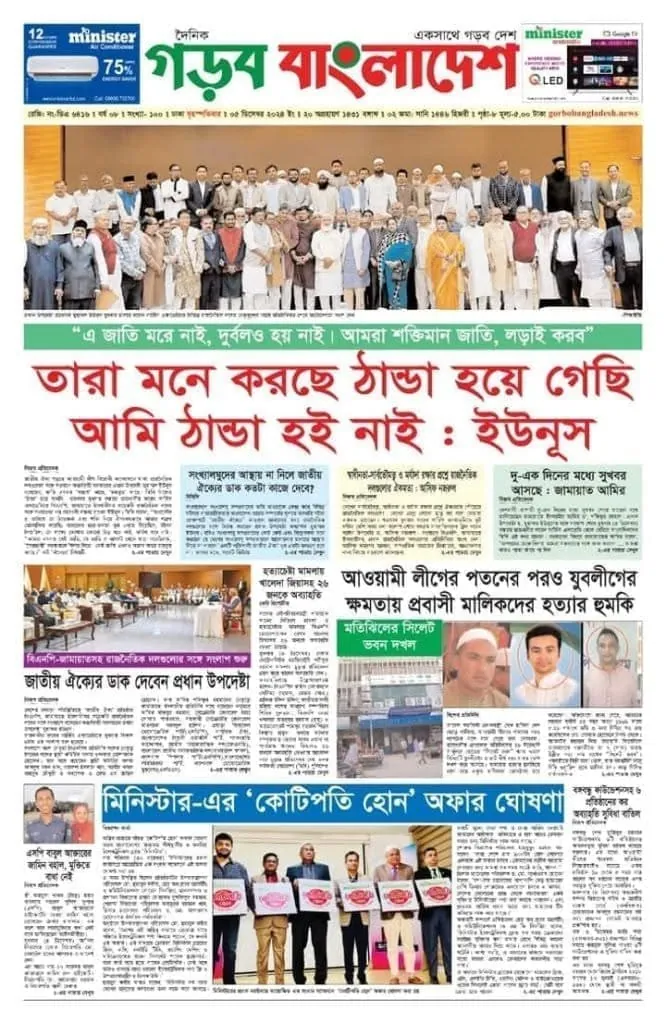
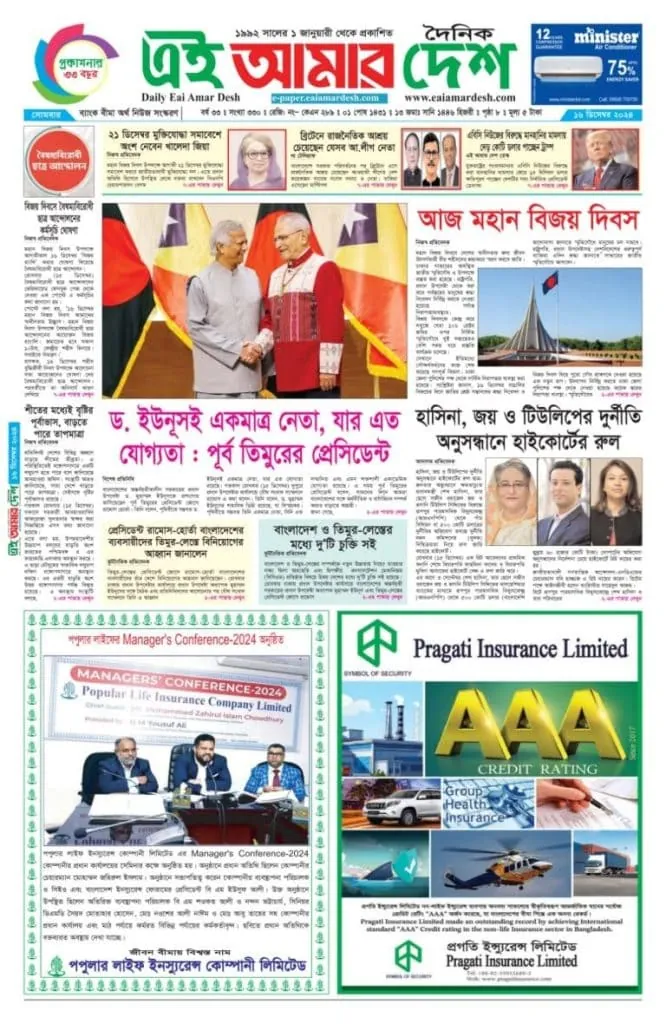 At present, Ali Kadar Polash continues his editorial leadership with multiple publications:
Editor & Publisher, Dainik Ei Amar Desh (1992)
Chief Editor, Dainik Gorbo Bangladesh (Minister MyOne Group) (2015)
 Editor & Publisher, The Business in Magazine, an English-language publication focusing on business, economy, and development

Read the exclusive cover and side story on Sonali Life Insurance and its visionary Director, Fozia Kamrul Tania, in our print edition.
Grab your copy of THE BUSINESS – English Magazine.
Because some stories deserve to be held in your hands.
Through these roles, he remains dedicated to the principles that have guided his life’s work — integrity, independence, and the relentless pursuit of truth. His editorial philosophy is rooted in the belief that journalism is not merely a profession but a public trust — one that carries the responsibility of documenting history, amplifying truth, and empowering the voiceless.
Today, Ali Kadar Polash stands as both a chronicler and an architect of Bangladesh’s regional journalism — a living testament to the idea that even from the smallest towns, the loudest truths can echo across a nation.
Editor and CEO
THE DAILY MUKHAPTRA (2025)
The daily Mukhaptra — a publication of Diamond World was founded as a fully national newspaper from the very beginning. Its purpose was to create a credible and principled national platform that would reflect the voices, concerns, and aspirations of people across Bangladesh, while maintaining a firm editorial commitment to the core questions of state, society, democracy, culture, and public life. In its foundational years, renowned journalist Jamal served as the editor for more than three decades. Under his leadership, Mukhaptra gradually established itself within the national media landscape as a trustworthy and policy-driven daily, earning recognition for the reliability of its reporting, its disciplined language, and its bold editorial stance on major national issues.
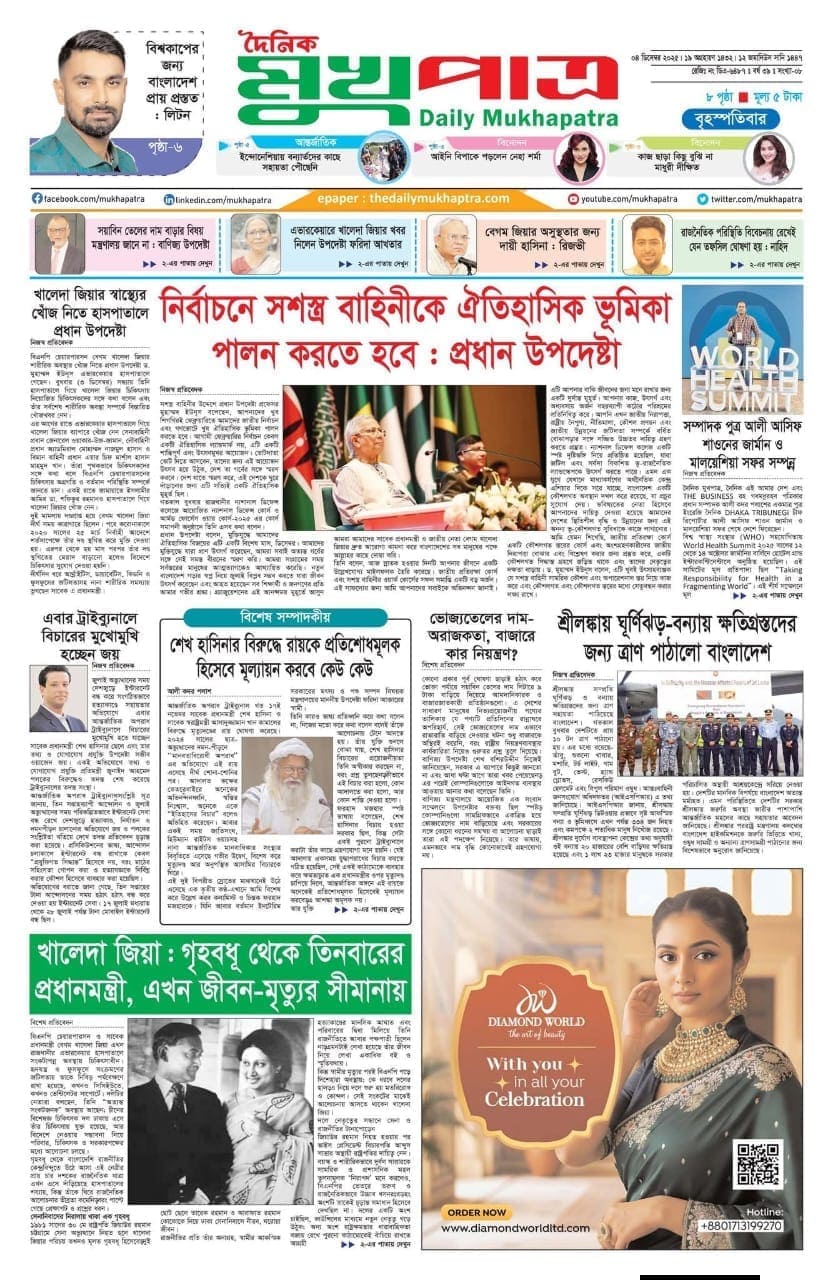 A new era began on 1 November 2017, when the ownership of Mukhaptra was officially taken over by Diamond World, one of the country’s most prominent brands. From that day onward, the newspaper started being published under the name Mukhaptra — a publication of Diamond World. With Dilip Kumar Agarwala, Chairman of Diamond World, assuming the role of Editor and Publisher, the newspaper entered a phase of modernization—adopting improved editorial planning, technological advancement, refined presentation, and a renewed national outlook. This transformation strengthened the paper’s position as a modern, responsible, and widely circulated national daily.
In this new period of development, the editorial leadership was entrusted to distinguished journalist Ali Kodar Polash, who continues to serve as the Chief Editor & CEO. Under his direction, Mukhaptra has been presenting news and analysis with a comprehensive national perspective—covering politics, economy, culture, diplomacy, development, and international affairs with clarity, depth, and responsibility. Remaining faithful to its founding principles, Mukhaptra — a publication of Diamond World stands today as a national newspaper in origin, in spirit, and in practice, continuing its journey with the same commitment that defined its birth.
References
Dainik Mathabhanga (1991)
Dainik Ei Amar Desh (1992)
Dainik Jhenaidah (Bengali Year 1400)
Dainik Adhibeshon (2002)
Dainik Muktakantha
Dainik Manabkantha
Chuadangar Itihas O Oitijjo – Edited by Rajib Ahmed
Chuadangar Kirti Shantan – by Adv. Tasir-ul-Alam Malik Duke
Chuadangar Gunijan – by Principal Hamidul Haque Munshi
Alhaj Khairul Bashar – Jhenaidah Municipality Publication
Jhenaidaher Sangbadpatra O Sangbadikota – Edited by Sheikh Mizan, published by Jhenaidah District Administration

- admin1@gmail.comhttps://thebusinessin.com/author/admin1gmail-com/

- admin1@gmail.comhttps://thebusinessin.com/author/admin1gmail-com/

- admin1@gmail.comhttps://thebusinessin.com/author/admin1gmail-com/

- admin1@gmail.comhttps://thebusinessin.com/author/admin1gmail-com/