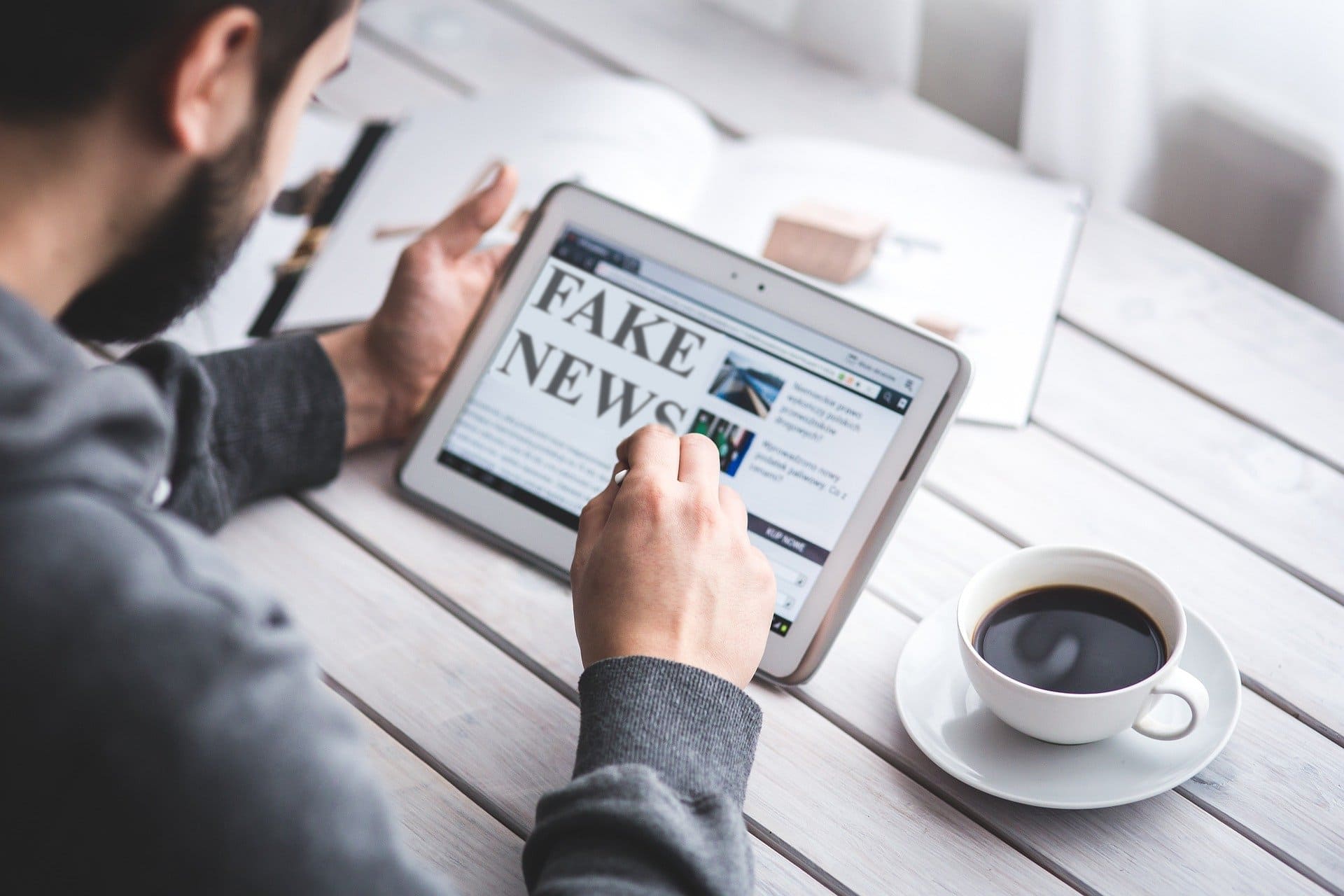
Journalism and Social Media: Conflict, Impact, and the Path Forward
Written by
Ali Kodar Polash (আলী কদর পলাশ)
In the age of digital revolution, information flows faster than ever before. The internet has woven the world into a single, connected space where news, ideas, and opinions travel instantly. At the center of this transformation stands social media—a medium that has democratized communication but simultaneously unsettled the traditional principles of journalism. While journalism seeks verified truth, social media often prioritizes speed and popularity. This fundamental contradiction defines one of the most pressing dilemmas of our time: is social media a partner of journalism or its greatest rival?
The foundation of journalism is verification; the foundation of social media is spontaneity. This difference draws a sharp line between the two. Today, anyone with a smartphone can act as a “reporter.” Within seconds, photos, videos, and stories are uploaded, instantly reaching millions. In this process, accuracy often takes a backseat to engagement. What matters more is how quickly something spreads or how many likes it earns. The trained judgment, ethical restraint, and fact-checking that define professional journalism are frequently missing. As a result, rumor and reality merge into one, creating a dangerous fog of misinformation.
In Bangladesh, this challenge is particularly acute. The country has witnessed an exponential rise in social media use, yet media literacy among users remains low. A manipulated image, a cropped video, or a misleading caption can spark mass confusion or even violence. Recent incidents have shown how unverified content has fueled communal tension and social unrest. Beyond immediate chaos, these episodes erode public trust in the media itself. Many people now believe a Facebook post over a professional news report—a shift that threatens the very credibility journalism depends on.
Even professional journalists are not immune to the influence of social media. Some blur the boundary between personal opinion and professional neutrality. Others share unverified information on their personal pages before their organizations have even published a story. In some cases, fear of online backlash leads journalists to self-censor, avoiding sensitive topics to prevent harassment. These trends indicate that social media, while offering opportunity, is also reshaping editorial priorities and weakening the independence of the newsroom.
Yet, dismissing social media entirely would be shortsighted. The platform has opened new doors for information gathering, especially in remote areas where journalists may not be present. Citizen journalism has exposed corruption, highlighted humanitarian crises, and amplified marginalized voices. Many social campaigns—against violence, for justice, or for environmental awareness—have found their strength in social media movements. Clearly, the medium is not inherently destructive; it is the manner of its use that determines its value.
The question, therefore, is not whether social media and journalism can coexist, but how. The first and most urgent solution is media literacy. Citizens must learn to distinguish between credible sources and misleading content. Incorporating digital literacy into education could empower the public to recognize manipulation and resist rumor.
Secondly, journalists themselves must renew their ethical commitments. Social media can be a tool for sharing and engaging audiences, but not at the cost of truth. The guiding principle should shift from “publish first, verify later” to “verify first, publish responsibly.” Professional training and newsroom policies should reinforce these standards.
Thirdly, social media companies must accept greater accountability. Stronger and more transparent content moderation policies are necessary to curb disinformation, hate speech, and propaganda. The profit-driven algorithms that reward controversy must be replaced with systems that value reliability and context.
Fourthly, governments should pursue a balanced approach. Legislation should target false information without suppressing freedom of expression. Overregulation risks turning the cure into a disease, but a complete absence of oversight allows chaos to thrive.
Ultimately, the most powerful solution lies in the hands of citizens. Every user of social media is, in a sense, a gatekeeper of truth. Before sharing or reacting, a simple question—“Is this true?”—could prevent countless falsehoods from spreading.
In the end, the conflict between journalism and social media is not an irreconcilable one. It is a reflection of a society in transition—from gatekept information to participatory communication. The challenge is to ensure that speed does not destroy accuracy, and freedom does not erode responsibility. If journalists, platforms, and citizens work together with integrity and awareness, social media can evolve from journalism’s greatest threat into its most powerful ally.
Writer : Editor

- admin1@gmail.comhttps://thebusinessin.com/author/admin1gmail-com/
- admin1@gmail.comhttps://thebusinessin.com/author/admin1gmail-com/

- admin1@gmail.comhttps://thebusinessin.com/author/admin1gmail-com/

- admin1@gmail.comhttps://thebusinessin.com/author/admin1gmail-com/